
Spray painting for furniture services has become an increasingly popular choice for homeowners and businesses looking to refresh or transform their interiors. Instead of replacing old or worn furniture, spray painting offers a cost-effective and environmentally friendly alternative. This method delivers a smooth, even finish that is difficult to achieve with traditional brush or roller painting. Whether it’s modernizing outdated pieces or restoring vintage furniture, spray painting provides a professional and long-lasting solution.
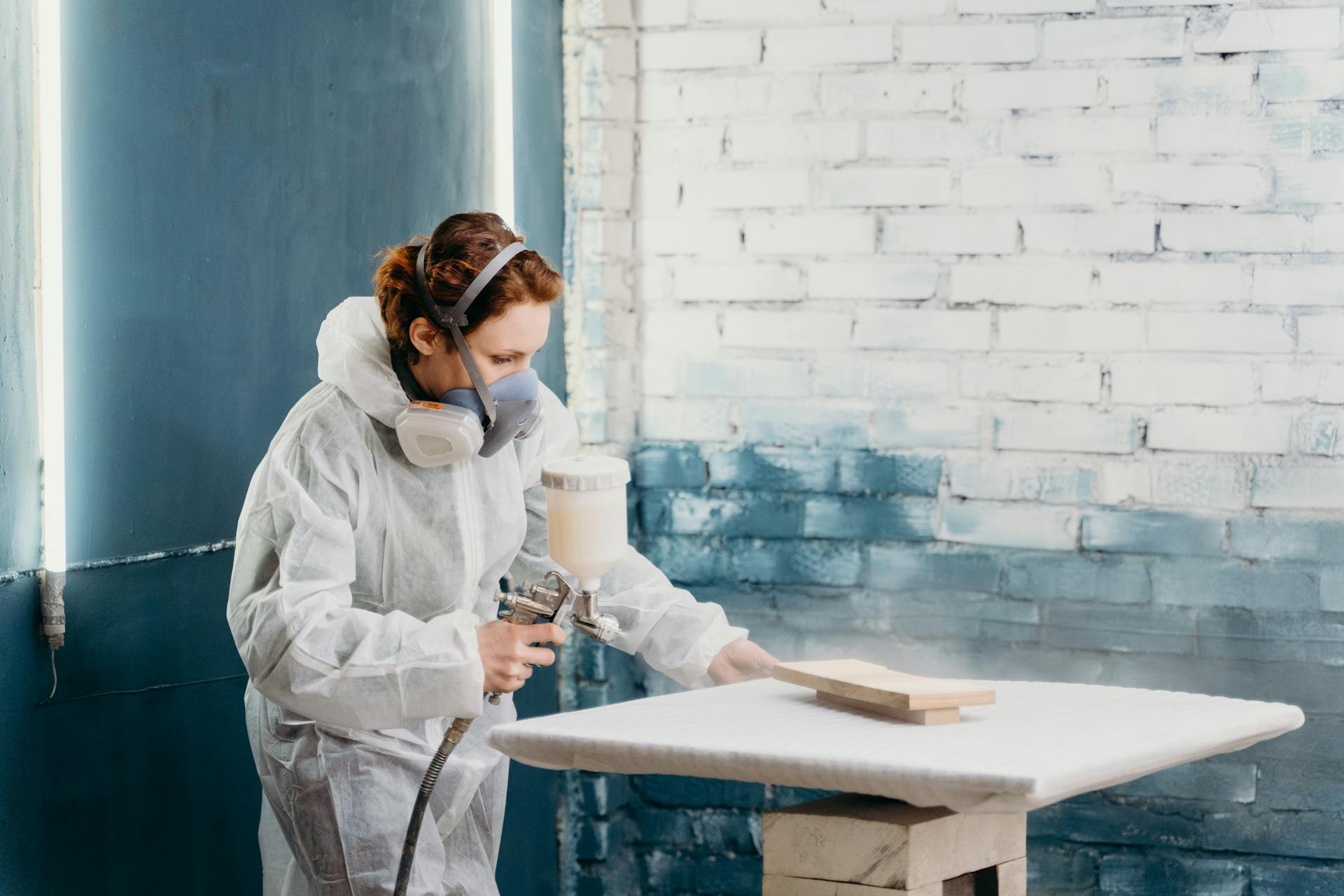
Spray painting involves applying paint using a specialized spray gun or aerosol system. This technique allows for fine, even distribution of paint across surfaces, ensuring a flawless finish without visible brush strokes.
The process uses compressed air or electric systems to atomize paint into tiny particles. These particles are sprayed evenly onto furniture surfaces, creating a consistent coat.
Different spray systems are used depending on the project. High-volume low-pressure (HVLP) systems are commonly used for furniture because they provide precision and minimize overspray.
While spray painting may seem simple, achieving a professional result requires expertise, proper equipment, and controlled conditions.
Professionals ensure that each coat is applied evenly, eliminating streaks, drips, and uneven textures that often occur with manual painting.
Before painting, furniture surfaces must be cleaned, sanded, and primed. This preparation ensures better adhesion and durability of the paint.
Professional services complete projects efficiently, saving time while maintaining high-quality results.
Spray painting can be applied to a wide range of furniture materials and styles.
Wooden pieces such as tables, chairs, cabinets, and wardrobes can be easily refreshed with spray painting, giving them a new and modern appearance.
Metal furniture benefits from spray painting as it helps prevent rust and provides a sleek, durable finish.
Spray painting can also be used on plastic or composite materials with the right primers and paints, enhancing their appearance.
Older furniture can be restored through careful spray painting, preserving its character while improving its look.
The spray painting process includes several detailed steps to ensure a high-quality finish.
Professionals begin by assessing the condition of the furniture. They identify any damages, old coatings, or areas that require repair.
Furniture is thoroughly cleaned to remove dirt, grease, and old paint. Sanding smooths the surface and prepares it for primer.
A primer is applied to create a uniform base and improve paint adhesion. This step is essential for achieving a long-lasting finish.
Paint is applied in multiple thin layers using spray equipment. Each layer is allowed to dry before applying the next.
Proper drying and curing ensure that the paint hardens and becomes durable. This step is crucial for preventing scratches and damage.
The final step involves checking the finish for consistency and making any necessary touch-ups.
Different types of paint are used depending on the material and desired finish.
Acrylic paint is water-based and dries quickly. It is commonly used for indoor furniture projects.
Enamel paint provides a hard, durable finish that is resistant to wear and tear, making it suitable for high-use furniture.
Lacquer offers a high-gloss finish and is often used for modern or decorative pieces.
Chalk paint is used for achieving a matte, vintage look. It is popular for rustic or shabby-chic styles.
Spray painting services offer several advantages over traditional painting methods.
The spray technique delivers a smooth, factory-like finish that enhances the overall appearance of furniture.
Refinishing furniture through spray painting is more affordable than purchasing new items.
Spray painting allows for a wide range of colors, finishes, and textures, enabling complete customization.
Reusing and refinishing existing furniture reduces waste and promotes sustainability.
Despite its advantages, spray painting comes with certain challenges that require professional handling.
Improper technique can lead to overspray, where paint spreads beyond the intended area. Professionals use controlled environments to prevent this.
Applying too much paint at once can cause drips or uneven layers. Skilled painters apply thin, consistent coats.
Any imperfections on the surface can become more visible after spray painting. Proper preparation helps address this issue.
Environmental factors such as humidity and temperature can affect drying time and finish quality.
Proper care helps maintain the appearance and durability of spray-painted furniture.
Use a soft cloth to remove dust and avoid harsh chemicals that may damage the finish.
Handle furniture carefully to prevent scratches or chips in the paint.
Excess moisture can affect the finish, especially on wooden furniture. Keep items in well-ventilated areas.
Small imperfections can be repaired with touch-up paint to maintain the furniture’s appearance.
There are several situations where spray painting services are the ideal solution.
Old or worn furniture can be restored to its original beauty or given a completely new look.
Spray painting helps update furniture to match new interior design themes.
For those looking to renovate without high costs, spray painting offers an affordable alternative.
Businesses can refresh office furniture, fixtures, and décor without replacing them entirely.
We are committed to delivering high-quality painting and flooring services that enhance the beauty, comfort, and value of your space. With a focus on craftsmanship, reliability, and customer satisfaction, we handle every project with care from start to finish.